
Spinal Cord Injuries in Motorcycle and Bicycle Accidents: Why Mechanism of Injury Matters
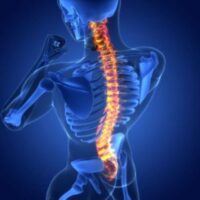
A motorcycle or bicycle crash can place enormous force on the neck and spine in a fraction of a second. A rider may be thrown over the handlebars, struck from the side, compressed between vehicles, or driven into the pavement after the initial impact. Two people diagnosed with similar spinal injuries may have reached that point through very different crash dynamics, and those differences can become important when determining how the injury occurred and who caused it.
Spinal cord injuries can permanently affect strength, sensation, mobility, and independence. Motor vehicle crashes are among the most common causes of traumatic spinal cord injury in the United States. When an accident victim is facing paralysis, neurological impairment, or years of rehabilitation after a collision, understanding the forces involved can help an insurance adjuster or a jury connect the medical diagnosis to the crash itself. Working with experienced West Palm Beach motorcycle accident attorneys can help preserve the physical, medical, and electronic evidence needed to establish that connection.
Motorcycle and Bicycle Crashes Create Different Forces on the Spine
Riders do not have the passenger compartment, seat belt, or other structural protection available to occupants of cars and trucks. After the initial collision, the body may continue moving until it strikes another vehicle, the roadway, a guardrail, or another fixed object.
The direction of those forces matters. Spinal trauma can involve flexion, extension, rotation, vertical compression, or combinations of these movements. Different mechanisms are associated with different patterns of injury to the vertebrae, discs, ligaments, and spinal cord.
A rider thrown forward after a vehicle turns across the motorcycle’s path may experience a different pattern of spinal loading than a bicyclist struck from behind and thrown onto the hood or pavement. Reconstructing those movements can provide important context for the injuries later identified on CT scans, MRIs, and neurological examinations.
The Point of Impact Can Help Explain the Injury
Where the vehicle strikes the motorcycle or bicycle can reveal much about what happened to the rider’s body next.
A side impact may produce rotation and lateral movement before the rider reaches the pavement. A rear impact can rapidly accelerate the bicycle or motorcycle forward while the rider’s upper body responds differently. An ejection over the handlebars may expose the cervical spine to flexion, extension, or axial loading when the head or shoulder reaches the ground.
Those details can become especially important when an insurer disputes whether the crash was capable of causing the diagnosed spinal condition. Damage to the motorcycle or bicycle, photographs of the scene, helmet damage, vehicle contact points, road markings, and surveillance footage can help reconstruct the movement of the rider rather than leaving causation to assumption.
Spinal Cord Damage Is Not Defined by a Fracture Alone
A dramatic vertebral fracture can make the severity of a spinal injury readily apparent, but spinal cord trauma does not always fit such a simple picture. Compression, disc disruption, ligament damage, swelling, and other trauma can affect the spinal cord and surrounding structures. The neurological consequences depend substantially on the location and extent of the damage.
A cervical spinal cord injury can affect the arms and legs, while damage lower in the spine may primarily affect the lower body. Symptoms can include weakness, loss of sensation, impaired coordination, paralysis, and changes in bowel or bladder function. The medical picture may also evolve as swelling and other secondary processes develop after the initial trauma.
That is why imaging, neurological examinations, surgical findings, and treatment records need to be viewed together. The absence of one expected finding does not tell the entire story of what happened to the spinal cord.
Mechanism of Injury Can Answer Causation Disputes
Insurance carriers may argue that degenerative spinal changes, an earlier injury, or another medical condition explains some or all of the rider’s symptoms. Those arguments can become particularly aggressive when imaging shows preexisting disc degeneration, stenosis, or arthritis.
The crash mechanics can provide an important bridge between the collision and the medical findings. A documented hyperextension mechanism, compression event, rotational force, or direct blow may correspond with the injury pattern identified by treating physicians. Medical research recognizes that hyperextension, hyperflexion, rotation, and axial loading can produce distinct cervical injury patterns.
Preexisting spinal conditions can also affect how a person responds to trauma. Certain spinal cord syndromes, including central cord syndrome, are commonly associated with hyperextension and may occur when trauma acts on an already narrowed cervical canal. The medical history therefore needs to be evaluated alongside what physically happened during the crash rather than treated as an automatic explanation for the rider’s post-accident condition.
Reconstruction and Medical Testimony Need to Fit Together
Complex spinal injury cases may involve accident reconstruction specialists, biomechanical experts, neurologists, neurosurgeons, orthopedic spine surgeons, or other medical professionals. Their roles are different, but their testimony can intersect when the cause of the spinal injury is disputed.
A reconstruction expert may explain the movement of the vehicles and rider. Medical specialists can address the actual spinal damage, treatment, neurological deficits, and prognosis. Florida Statutes § 90.702 requires expert testimony to rest on sufficient facts or data and reliable principles and methods. That foundation becomes especially important when expert opinions are used to connect crash mechanics with a serious neurological injury.
The strongest presentation does not ask one expert to reach beyond that person’s field. Instead, the physical evidence explains the collision while the medical evidence explains what those forces did to the rider.
Comparative Fault Arguments Can Reach the Injury Mechanism
Disputes about mechanisms are not always limited to medical causation. They can also influence arguments about who caused the crash.
An insurer may claim that a motorcyclist was traveling too fast before being ejected or that a bicyclist made an unexpected movement before impact. Florida Statutes § 768.81 governs comparative fault and can reduce or, when the statutory threshold is met, bar recovery based on the injured person’s percentage of responsibility.
Physical evidence can test those allegations. Vehicle damage, skid or tire marks, electronic data, surveillance footage, witness accounts, and the rider’s trajectory may support or contradict the version offered by the defense. The mechanism of injury can help explain not only why the spine was damaged, but also whether the claimed sequence of events makes sense.
A Spinal Cord Injury Can Change a Rider’s Financial Future
The financial consequences of a spinal cord injury can continue long after the initial hospitalization. Surgery, inpatient rehabilitation, outpatient therapy, medication, mobility equipment, home modifications, attendant care, and future medical treatment can become necessary throughout the remainder of the victim’s life.
Permanent neurological limitations can also change a person’s ability to work. Someone who previously performed physical labor may no longer be able to return to the same occupation. Severe injuries can require vocational evaluation, life care planning, and economic testimony to calculate and show future losses.
Florida Statutes § 627.737 addresses recovery of damages for pain, suffering, mental anguish, and inconvenience in qualifying motor vehicle injury cases, including injuries involving significant and permanent loss of an important bodily function or permanent injury within a reasonable degree of medical probability. For a rider with serious spinal cord damage, the medical evidence supporting permanence and functional loss can become an important part of documenting the full consequences of the crash.
Guidance from experienced West Palm Beach motorcycle accident attorneys can help bring the crash evidence, medical findings, expert opinions, and long-term losses together without allowing the severity of a spinal injury to become disconnected from how it happened.
Contact Smith, Ball, Báez & Prather
If you or someone you love suffered a spinal cord injury in a motorcycle or bicycle accident, understanding exactly how the body moved during the crash can become critical when an insurer disputes causation, fault, or the severity of the injuries. Early preservation of the vehicle, bicycle or motorcycle, photographs, video, electronic records, and medical evidence can provide a much clearer account of what occurred.
At Smith, Ball, Báez & Prather, our West Palm Beach motorcycle accident attorneys understand the medical and evidentiary challenges surrounding catastrophic spinal injuries. Contact our firm today for a free consultation and learn how we can help pursue compensation that reflects the long-term impact of a serious motorcycle or bicycle crash.
Sources:
- Florida Statutes § 90.702 – Testimony by Experts
leg.state.fl.us/statutes/index.cfm?App_mode=Display_Statute&URL=0000-0099/0090/Sections/0090.702.html - Florida Statutes § 768.81 – Comparative Fault
leg.state.fl.us/statutes/index.cfm?App_mode=Display_Statute&URL=0700-0799/0768/Sections/0768.81.html - Florida Statutes § 627.737 – Tort Exemption; Limitation on Right to Damages
leg.state.fl.us/statutes/index.cfm?App_mode=Display_Statute&URL=0600-0699/0627/Sections/0627.737.html - National Institute of Neurological Disorders and Stroke – Spinal Cord Injury
ninds.nih.gov/health-information/disorders/spinal-cord-injury - National Center for Biotechnology Information – Spinal Trauma and Spinal Cord Injury
ncbi.nlm.nih.gov/books/NBK554330/
