
When Road Hazards Cause Motorcycle Accidents: Holding Florida Municipalities and Contractors Accountable
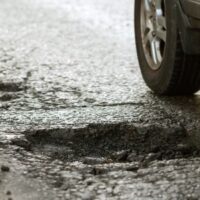
A pothole, broken pavement edge, loose gravel, standing water, or poorly marked construction zone can create a dangerous condition for any driver. For a motorcyclist, the same hazard can cause an immediate loss of balance or traction with little opportunity to recover. A rider may be thrown into another traffic lane, collide with a barrier, or strike the pavement before nearby motorists have time to react.
When a dangerous roadway contributes to a motorcycle crash, the cause may involve more than the condition itself. The road may have been overdue for repair, affected by active construction, or left unsafe after maintenance work. After a motorcycle crash caused by a road hazard, working with experienced West Palm Beach motorcycle accident attorneys can help determine whether the claim involves a public agency, a private contractor, or both.
Road Defects Can Be Especially Dangerous for Motorcyclists
Motorcycles depend on a relatively small contact area between the tires and pavement. Sudden changes in the road surface can interfere with traction, steering, braking, or balance much more severely than they would for a passenger vehicle.
Deep potholes, crumbling pavement, uneven resurfacing, raised utility covers, loose aggregate, standing water, construction debris, missing signs, and abrupt lane transitions can all contribute to a motorcycle crash. A defect located near a curve, intersection, bridge approach, or construction zone may leave the rider with very little space to maneuver around it safely.
The location and dimensions of the hazard can matter as much as the type of defect. A shallow pavement depression in the center of a wide lane presents a different risk than the same defect along the rider’s expected travel path where traffic or a guardrail eliminates an escape route.
Identifying Who Was Responsible for the Roadway
Determining who was responsible for the roadway is often more complicated than identifying the street where the crash occurred. Roads within West Palm Beach and Palm Beach County may fall under municipal, county, state, or other governmental control, while construction or maintenance work may have been assigned to a private company.
Maintenance agreements, construction contracts, permits, work orders, and project records can identify which entity handled inspections, repairs, drainage, signage, or traffic control at that location.
A public agency may own the roadway while a contractor handles resurfacing, utility work, landscaping, debris removal, or temporary traffic control. Those records can identify the entity that had authority to correct the condition before the crash.
Claims Against Florida Government Entities Carry Additional Requirements
A motorcycle accident claim involving a city, county, or state agency is subject to Florida Statutes § 768.28, which provides a limited waiver of sovereign immunity for certain negligent acts and omissions by the state and its agencies or subdivisions.
The statute also imposes notice requirements, procedural rules, and limits on recovery that do not apply in the same way to claims against private drivers or businesses. A notice sent to the wrong agency can delay the claim while deadlines continue to run.
A dangerous roadway condition may stem from delayed repairs, poor drainage, deteriorated pavement, missing warnings, or another maintenance failure. Records showing which agency handled that stretch of road help tie the condition to the entity responsible for addressing it.
Private Contractors May Be Responsible for Unsafe Work Zones or Repairs
Construction and maintenance companies can be held responsible when their work creates or leaves behind a dangerous roadway condition. Poorly graded lane transitions, unsecured materials, missing warning devices, uneven resurfacing, improperly placed traffic-control equipment, or unfinished pavement edges can create immediate hazards for motorcyclists.
Florida Statutes § 337.195 addresses contractors that construct, maintain, or repair transportation facilities for the Florida Department of Transportation. The statute limits liability in certain circumstances when a contractor complied with contract documents material to the condition, while preserving potential liability in situations involving certain latent conditions or failures to follow required traffic-control plans.
Plans, daily work logs, inspection reports, change orders, photographs, and traffic-control records can show what the contractor was required to do and whether the work at the crash site met those requirements. The same records may show when the hazard first appeared, who knew about it, and whether corrective work was delayed.
Prior Complaints Can Show How Long the Hazard Existed
A roadway defect may remain in place for days, weeks, or longer before a serious crash occurs. Nearby residents may have reported a pothole. Other motorists may have complained about standing water or debris. Maintenance crews may have inspected the location or performed temporary repairs that later failed.
Service requests, complaint records, inspection reports, repair orders, photographs, and internal communications can establish when the first complaint, inspection, or repair request was recorded. Prior reports involving the same location may reveal repeated complaints about the same pothole, drainage problem, debris, or pavement defect.
The amount of time between the first report and the motorcycle crash can show how much time passed between notice of the hazard and the injury.
The Motorcycle and Crash Scene Can Provide Critical Physical Evidence
Repairs often begin soon after a roadway accident. Pavement may be patched, debris removed, signs replaced, construction equipment relocated, or lane markings changed. Once that happens, the scene no longer looks the way it did when the rider encountered the hazard.
Photographs and measurements taken shortly after the crash preserve the width, depth, location, and shape of a defect. Skid or scrape marks, drainage conditions, nearby signage, lighting, lane configuration, and the rider’s final resting position add details that a police report may not capture.
The motorcycle itself can provide physical evidence of how it struck or reacted to the defect. Bent wheels, damaged forks, tire marks, broken suspension components, and scrape patterns can help show whether the front wheel dropped into a pothole, struck a raised edge, or lost stability after contact with debris. Accident reconstruction or engineering testimony can use that physical evidence to explain how the roadway condition caused the loss of control.
Serious Injuries Can Create Long-Term Financial Losses
Road-hazard motorcycle crashes can produce traumatic brain injuries, spinal cord damage, multiple fractures, amputations, internal injuries, severe road rash, and other permanent conditions. The consequences can continue through surgeries, rehabilitation, assistive equipment, home modifications, and years of medical treatment.
A severe injury may also prevent the rider from returning to the same occupation or working the same hours. Future medical expenses and diminished earning capacity can account for years of treatment costs and income the rider can no longer earn.
Medical specialists, vocational experts, life care planners, and economists can quantify future care, reduced earning capacity, and the cost of living with permanent physical limitations. Future treatment, lost income, reduced mobility, and changes in daily life can determine whether the recovery reflects the rider’s actual long-term financial burden.
When a roadway crash leaves permanent injuries, experienced West Palm Beach motorcycle accident attorneys can help ensure the claim reflects the financial and personal losses that continue long after the accident.
Contact Smith, Ball, Báez & Prather
If you were seriously injured after hitting a pothole, dangerous pavement transition, construction hazard, debris, or another unsafe road condition, evidence at the scene can change quickly. Repairs may begin, construction crews may move equipment, and maintenance records may become harder to obtain as time passes.
At Smith, Ball, Báez & Prather, we represent injured motorcyclists in West Palm Beach and throughout Palm Beach County in claims against government entities and private contractors involving unsafe road conditions. Contact us to speak with experienced West Palm Beach motorcycle accident attorneys and learn how we can help pursue compensation after a serious crash caused by an unsafe roadway.
Sources:
- Florida Statutes § 768.28 – Waiver of Sovereign Immunity in Tort Actions; Recovery Limits
leg.state.fl.us/statutes/index.cfm?App_mode=Display_Statute&URL=0700-0799/0768/Sections/0768.28.html - Florida Statutes § 337.195 – Limits on Liability
leg.state.fl.us/Statutes/Index.cfm/index.cfm?App_mode=Display_Statute&URL=0300-0399/0337/Sections/0337.195.html - Florida Department of Transportation – Official Website
fdot.gov/
