
When Brain Imaging Appears Normal: Proving Mild Traumatic Brain Injuries Through Clinical Evidence
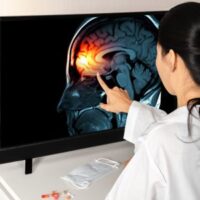
A normal brain scan can bring relief after a serious accident. It can also create confusion when headaches, memory problems, difficulty concentrating, or other changes continue after the emergency room visit. The scan may look reassuring while work, sleep, driving, and ordinary routines feel very different.
Mild traumatic brain injuries are often diagnosed through symptoms, examinations, cognitive findings, and the course of recovery. When neurological problems continue despite normal imaging, working with an experienced West Palm Beach brain injury lawyer can help connect the medical record to what changed after the accident.
What Normal Brain Imaging Shows After Head Trauma
CT scans are commonly used after head trauma to look for bleeding, fractures, swelling, and other structural injuries that require immediate attention. An MRI can provide a more detailed view of brain tissue when further imaging is appropriate.
Neither test captures every change in brain function associated with a mild traumatic brain injury. The Centers for Disease Control and Prevention advises clinicians against routinely using CT or MRI to diagnose mild TBI. Physicians instead look at the circumstances of the injury, reported symptoms, examination findings, and the patient’s clinical course.
A scan showing no acute structural damage can exist alongside a medically supported concussion or mild TBI diagnosis. The radiology report describes what appeared on the image. The clinical evaluation addresses how the brain is functioning after the trauma.
Symptoms Establish the Timeline After the Accident
The first symptoms after an accident begin to shape the medical history. Headaches, dizziness, sensitivity to light or noise, sleep disruption, memory trouble, slowed thinking, or difficulty concentrating may appear quickly or become more noticeable once normal activities resume.
Records from the emergency room, primary care physician, or an early follow-up visit can show when those problems began. Later complaints may develop as someone returns to work, spends longer periods reading, drives again, or tries to manage a full schedule.
Symptoms do not always remain identical throughout recovery. Headaches may improve while concentration problems become more noticeable. Fatigue may appear after longer periods of mental activity. A developing pattern gives physicians a clearer picture of how the injury presented after the accident.
Cognitive Testing Measures Specific Areas of Difficulty
Problems with attention, memory, processing speed, or executive function may not be obvious during a brief office visit. Neuropsychological and neurocognitive testing uses standardized tasks to examine those abilities in more detail.
Testing may show difficulty retaining new information, sustaining attention, shifting between tasks, or processing information at an expected pace. Those findings add precision to complaints that might otherwise be described only as “brain fog” or difficulty concentrating.
The results give treating providers another source of information about how the brain is functioning. They also help separate broad complaints from specific areas of cognitive weakness that can be measured and compared.
Follow-Up Care Shows How Recovery Progresses
An emergency room visit captures only the period immediately after the injury. Follow-up care shows what happens over the weeks and months that follow.
A primary care physician may continue evaluating headaches, sleep problems, or dizziness. A neurologist may address ongoing cognitive complaints. Rehabilitation, vestibular therapy, or other treatment may follow when symptoms interfere with regular activities.
Treatment records also show how the person responds to care. Improvement, setbacks, continuing restrictions, and referrals to additional specialists create a history of recovery that extends well beyond the first scan.
Daily Changes Show the Functional Effect of the Injury
A mild traumatic brain injury often becomes most noticeable during ordinary routines. A full workday may become mentally exhausting. Reading several pages may require repeated breaks. Busy stores or crowded settings may trigger headaches or confusion. Tasks that once happened automatically may take longer and require more concentration.
Family members and coworkers may notice changes as well. Forgotten conversations, unusual irritability, missed details, slower work, or difficulty handling several responsibilities can show how the injury is affecting daily life.
Those observations give the clinical findings a real-world setting. They show how cognitive and neurological symptoms affect independence, employment, relationships, and the ability to move through a normal day.
Florida Law and Lasting Brain Injuries After a Car Accident
When a mild traumatic brain injury results from a Florida motor vehicle accident, the duration of the impairment can affect the recovery of noneconomic damages such as pain, suffering, mental anguish, and inconvenience.
Under Florida Statutes § 627.737, the statutory threshold includes a significant and permanent loss of an important bodily function or a permanent injury within a reasonable degree of medical probability.
A physician may diagnose a mild TBI soon after a crash while needing more time to determine how fully the person will recover. Months of treatment, continuing cognitive limitations, and medical opinions about future recovery help show whether the effects have become lasting.
When an Insurer Focuses on the Normal Scan
A normal CT or MRI gives an insurance carrier a straightforward point to emphasize. The adjuster may argue that the absence of visible structural damage weakens the connection between the accident and the problems being reported.
The claim may look very different once the full clinical history is considered. Early symptom reports, cognitive findings, follow-up treatment, and changes in daily functioning can show a consistent course after the accident.
When an insurer relies heavily on normal imaging, the clinical history may provide the clearest picture of the injury. A West Palm Beach brain injury lawyer can help place the scan in context with the medical record that followed.
Contact Smith, Ball, Báez & Prather
Persistent headaches, memory problems, cognitive fatigue, and difficulty concentrating can affect nearly every part of daily life after a traumatic brain injury. Smith, Ball, Báez & Prather represents people in West Palm Beach and throughout Palm Beach County whose neurological symptoms have continued after an accident.
If an insurance company is relying on a normal CT or MRI to minimize a brain injury claim, legal representation can help protect the medical evidence and the value of the claim. Contact Smith, Ball, Báez & Prather to speak with a trusted West Palm Beach brain injury lawyer and learn how we can help protect your right to compensation.
Sources:
- Centers for Disease Control and Prevention — Mild TBI Management Guideline for Adults
cdc.gov/traumatic-brain-injury/hcp/data-research/index.html - Centers for Disease Control and Prevention — About Mild TBI and Concussion
cdc.gov/traumatic-brain-injury/about/index.html - American College of Radiology — Appropriateness Criteria for Head Trauma
acsearch.acr.org/docs/69481/Narrative/ - Florida Statutes § 627.737 — Tort Exemption; Limitation on Right to Damages; Punitive Damages
flsenate.gov/Laws/Statutes/2026/627.737
