
Uninsured Motorist Claims in Hit-and-Run Cases: Proving a “Phantom Driver” Under Florida Law
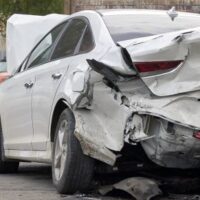
A hit-and-run accident can leave victims with more questions than answers. When the at-fault driver flees the scene or cannot be identified, injured individuals are often left without a clear path to recovery. In these situations, understanding how Florida law treats hit-and-run conduct and what options remain when the driver is unknown is critical.
For many accident victims, the uncertainty that follows a hit-and-run can make it difficult to know where to turn. When the at-fault driver cannot be identified, questions about liability and available insurance coverage often become more complicated. Working with an experienced West Palm Beach hit-and-run lawyer can help ensure that these claims are properly evaluated, particularly when the case involves a “phantom driver” and the circumstances of the crash must be carefully established.
What Is a Phantom Driver?
A phantom driver is a motorist who causes an accident but is never identified. Unlike a typical hit-and-run, in which there may be some information about the fleeing driver, phantom driver cases often involve no physical contact and no identifying details.
These cases can arise when a driver forces another vehicle off the road, causes a sudden evasive maneuver, or creates a dangerous condition that leads to a collision. Even without direct impact, the actions of the unidentified driver may still be the underlying cause of the accident.
Leaving the Scene of an Accident Under Florida Law
Florida law imposes clear obligations on drivers involved in a crash. Under Florida Statute § 316.027, a driver involved in an accident resulting in injury is required to stop, remain at the scene, provide identifying information, and render reasonable aid when necessary.
When a driver fails to meet these obligations and leaves the scene, it can significantly affect how liability is evaluated. The act of fleeing does not eliminate responsibility for the crash. Instead, the focus shifts to how the accident occurred and what evidence can establish the involvement of the unidentified driver.
How Uninsured Motorist Coverage Applies in Hit-and-Run Cases
When a hit-and-run driver cannot be identified, uninsured motorist (UM) coverage may provide a path to recovery. Under Florida Statute § 627.727, UM coverage is designed to apply when the at-fault driver is unknown or lacks insurance.
These claims require a different approach than standard car accident cases. Without a known driver, the focus shifts to demonstrating that another vehicle caused the crash and that the circumstances fall within the policy’s coverage.
Insurance companies may closely examine these claims, particularly where there is no physical contact between vehicles. For that reason, documentation and supporting evidence play a central role in how the claim is evaluated.
Establishing Fault in Phantom Driver Cases
Establishing fault in a phantom driver claim requires a clear and consistent account of how the accident occurred. Without another driver present to identify or hold directly accountable, the details surrounding the crash must be supported through other forms of evidence.
This may include witness statements, dashcam footage, surveillance video, and accident reconstruction analysis. Police reports and contemporaneous documentation of the incident can also play an important role in supporting the claim.
Consistency is critical. Insurance carriers often look for discrepancies in how the accident is described. A well-documented timeline and supporting evidence can help demonstrate that the crash was not caused by driver error alone, but rather by the actions of another vehicle that left the scene.
Why Phantom Driver Claims Are Often Disputed
Claims involving unidentified drivers are frequently met with skepticism. Insurers may question whether another vehicle was actually involved or argue that the accident resulted from road conditions or driver inattention.
Claims involving unidentified drivers often require a more detailed investigation than typical accident claims. The absence of an identifiable driver does not eliminate the need to establish liability; it simply changes how that liability is proven.
Policy language may also affect how coverage applies in these claims. Certain UM policies include specific requirements related to phantom vehicles, such as corroborating evidence. Understanding these provisions is an important part of evaluating the claim.
Preserving Evidence After a Hit-and-Run Accident
Early action can make a significant difference in these cases. Evidence such as surveillance footage or witness recollections may become harder to obtain over time. Prompt reporting of the accident and immediate documentation of injuries and circumstances can strengthen the overall claim.
Taking steps early in the process helps ensure that key evidence is preserved and that the claim is positioned for a more complete evaluation.
Presenting a Strong Phantom Driver Claim
Phantom driver cases require a careful approach that combines legal analysis with factual investigation. The absence of a known driver does not eliminate the possibility of recovery, but it does require a clear demonstration of how the accident occurred and why coverage applies.
Guidance from a West Palm Beach hit-and-run lawyer can help ensure that all available evidence is considered and that the claim is presented in a way that reflects the full impact of the accident. With the right support, these cases can move forward even when the at-fault driver is never identified.
Contact Smith, Ball, Báez & Prather
If you were injured in a hit-and-run accident or believe a phantom driver caused your crash, you may still have options for recovery. These cases often involve complex questions about liability and insurance coverage, especially when the at-fault driver cannot be identified. The attorneys at Smith, Ball, Báez & Prather have experience handling claims where careful investigation and strong evidence are essential.
Contact Smith, Ball, Báez & Prather today to discuss your case and protect your right to compensation.
Sources:
- Florida Statutes § 316.027 – Crash Involving Death or Personal Injuries:
leg.state.fl.us/statutes/index.cfm?App_mode=Display_Statute&URL=0300-0399/0316/Sections/0316.027.html - Florida Statutes § 627.727 – Uninsured and Underinsured Motorist Coverage:
leg.state.fl.us/statutes/index.cfm?App_mode=Display_Statute&URL=0600-0699/0627/Sections/0627.727.html
