
The Hidden Costs of Rehabilitation and Assistive Devices: How Florida Victims Can Recover for Long-Term Medical Support
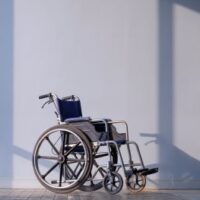
After a serious injury, most people focus on immediate medical bills: emergency care, surgery, and hospital stays. What often comes later, and proves far more expensive, are the hidden, long-term costs of rehabilitation and assistive devices. Physical therapy, occupational therapy, home modifications, mobility aids, and adaptive technology can continue for years or even a lifetime. For Florida injury victims, understanding how these future needs are valued and recovered is critical to achieving real financial stability after an accident.
For many families, these expenses are not optional. They are the difference between independence and ongoing disability, between returning to work and permanent loss of earning capacity. Consulting experienced West Palm Beach personal injury attorneys early in the process can help ensure that future rehabilitation needs and assistive device costs are properly identified and included in a claim before settlement discussions begin. Addressing them early in a claim can make a lasting difference in recovery.
Why Rehabilitation Costs Extend Far Beyond Initial Treatment
Rehabilitation is rarely a short-term process. Injuries involving the spine, brain, or multiple fractures often require months of structured therapy, followed by periodic reevaluation and ongoing care. Physical therapy helps restore movement and strength, occupational therapy retrains the body to perform daily activities, and speech or cognitive therapy may be necessary after neurological injuries.
These services may be needed long after insurance coverage for acute care ends. Co-pays, session limits, and coverage exclusions can leave injured individuals paying substantial out-of-pocket costs unless future care is properly included in a settlement or verdict.
Assistive Devices and Adaptive Technology Add Up Quickly
Assistive devices are another major, and frequently underestimated, expense. Wheelchairs, walkers, prosthetics, orthotics, and mobility scooters often require replacement or adjustment as a person’s condition changes. Advanced prosthetics and powered mobility devices can cost tens of thousands of dollars and may need periodic upgrades.
Beyond mobility, many victims need adaptive equipment to live independently. This can include bathroom modifications, ramps, stair lifts, vehicle adaptations, specialized beds, and communication devices. These costs are not one-time expenses; maintenance, repairs, and replacements are part of the long-term picture.
The Importance of Planning for Future Medical Needs
In Florida personal injury cases, compensation is meant to address both current and future damages. That includes anticipated medical treatment and necessary assistive care. The challenge lies in proving what those future needs will be and how much they will cost.
Medical providers, rehabilitation specialists, and life care planners often play a central role in this process. Their evaluations help translate medical realities into concrete numbers, providing a roadmap for long-term care that can be presented during settlement negotiations or trial.
This is an area where working with experienced West Palm Beach personal injury attorneys early can be crucial. Proper documentation and expert input ensure that future rehabilitation and assistive device costs are not overlooked or minimized.
Insurance Pushback on Long-Term Care Claims
Insurance companies frequently challenge claims for future rehabilitation and assistive devices. Common arguments include assertions that treatment is speculative, that devices are optional, or that lower-cost alternatives should suffice. Insurers may rely on their own medical reviewers to dispute recommendations from treating physicians.
A well-supported claim counters these arguments with detailed medical records, expert testimony, and cost projections grounded in real-world needs. Without this foundation, victims risk settlements that fall far short of covering long-term care.
How Settlements Address Rehabilitation and Assistive Costs
When properly handled, settlements can account for long-term medical support in a way that provides security and flexibility. This may include lump-sum compensation intended to cover anticipated expenses or structured arrangements designed to provide ongoing funding.
The key is ensuring that rehabilitation and assistive device needs are identified and valued before a case resolves. Once a settlement is finalized, additional compensation for overlooked future costs is generally unavailable.
The Long-Term Impact on Quality of Life
Rehabilitation and assistive devices are not just medical line items; they directly affect quality of life. Access to proper therapy and adaptive equipment can restore independence, improve mental health, and allow injured individuals to participate more fully in family and community life.
Failing to account for these needs places an unfair burden on victims and their families, shifting costs that should be part of an injury recovery to one’s personal savings or public assistance.
Contact Smith, Ball, Báez & Prather
If you or a loved one has suffered a serious injury in Florida, understanding the hidden costs of rehabilitation and assistive devices is essential to protecting your future. The attorneys at Smith, Ball, Báez & Prather work with medical and rehabilitation experts to ensure that long-term care needs are fully considered in personal injury claims.
Contact Smith, Ball, Báez & Prather today to discuss how your recovery plan can be supported through proper legal advocacy.
Source:
Medicare.gov – Durable Medical Equipment (DME)
