

Lane-Splitting and Lane-Sharing: Legal Implications in Florida Motorcycle Accident Cases
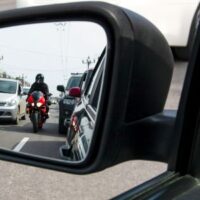
Motorcycle lane-position disputes often begin before the injured rider has even had a chance to explain what happened. A driver may claim the motorcycle was “between cars,” passing too closely, or appearing suddenly in traffic. The rider may remember something very different: a vehicle drifting into the lane, crowding the motorcycle, changing lanes without warning, or leaving no safe escape route.
Florida law gives motorcycles the right to use a full lane, but it also restricts lane-splitting and certain same-lane passing. When an insurer tries to turn a rider’s position in traffic into the reason for reducing compensation, working with experienced West Palm Beach motorcycle accident attorneys can help keep the claim focused on the driver’s movement, the rider’s lawful lane use, and the physical evidence.
Why Lane Position Matters After a Motorcycle Crash
Lane position can become one of the first issues raised after a motorcycle accident. A driver who failed to check mirrors or blind spots may claim the rider came out of nowhere. An insurer may repeat that version to suggest the motorcyclist was lane-splitting, lane filtering, or riding unpredictably.
The physical evidence often tells a more accurate story. Damage patterns, scrape marks, debris, lane markings, mirror contact, and witness statements can show whether the rider was lawfully using the lane or whether another vehicle entered the rider’s space. In congested traffic, the difference between a lawful lane position and an alleged lane-splitting maneuver can become central to liability.
For an injured rider, that distinction affects compensation. If an insurer succeeds in making the crash about the rider’s lane position instead of the driver’s unsafe movement, the value of the claim may be reduced.
Florida Law on Motorcycles Using Traffic Lanes
Florida Statutes § 316.209 gives motorcycles the full use of a lane and prohibits other drivers from depriving a motorcycle of that lane. The same statute restricts motorcyclists from passing another vehicle within the same lane or operating between lanes of traffic, while allowing motorcycles to ride two abreast in a lane.
Lane-use rules matter because motorcycle crashes often produce competing stories. A driver may claim the rider was lane-splitting or passing too closely, while the physical evidence may show that the driver drifted, crowded the lane, or changed lanes into the motorcycle’s path.
Florida’s lane-use statute should not become a shortcut for blaming the rider. The question is what actually happened before impact: whether the rider was unlawfully between lanes, lawfully occupying the lane, or forced out of position by another vehicle.
When Insurers Claim the Rider Was Lane-Splitting
Lane-splitting allegations are often used to shift blame. They appear frequently after crashes in stopped traffic, intersection backups, highway congestion, and slow-moving lanes where vehicles are close together.
An insurer may argue that the rider was moving between cars or passing in a space that was too narrow. That allegation can be powerful when the rider suffered serious injuries, and the insurance company wants to reduce exposure. The problem is that the driver’s account may be based on a late observation after the motorcycle was already in a dangerous position.
Crash reconstruction, dashcam footage, helmet-cam footage, and vehicle damage can help test that version. Impact angles, scrape marks, broken mirrors, final resting positions, and roadway debris may show whether the rider was between lanes or whether the driver moved into the rider’s path.
When a Driver Crowds or Cuts Off a Rider
Many motorcycle crashes happen because drivers fail to treat the motorcycle as entitled to the full lane. A driver may drift into the lane, change lanes without checking blind spots, turn across the motorcycle’s path, or follow too closely in stop-and-go traffic.
Drivers often describe lane-crowding crashes as sudden or unavoidable. The evidence may show that the driver failed to leave enough space, failed to signal, or failed to see what was visible with proper attention. When a motorcycle is forced toward the edge of a lane, another vehicle, a curb, or surrounding traffic, the rider may have little time to react.
Proving lane encroachment moves the claim away from broad arguments about motorcycle risk. It focuses the dispute on the driver’s specific conduct and the rider’s right to occupy the lane safely.
Comparative Fault and Motorcycle Bias
Florida’s comparative fault statute, Florida Statutes § 768.81, allows responsibility to be divided among the parties. In lane-use motorcycle cases, insurers often use that rule to argue that the rider shares responsibility for the crash.
Blame-shifting may focus on speed, lane position, visibility, reaction time, or whether the rider should have avoided the driver’s movement. Comparative fault arguments can reduce compensation if they are not answered with physical evidence and reconstruction findings.
Motorcyclists also face a practical problem that does not appear in the statute: bias. Insurers may frame the rider as aggressive or reckless because the crash involved lane position. The claim must be built around what actually happened in the lane, not assumptions about how motorcyclists ride.
Evidence That Shows Where the Motorcycle Was
Lane-position disputes require evidence that fixes the rider’s location before impact. Photographs of the roadway, vehicle damage, motorcycle damage, gouge marks, tire marks, and debris patterns can show whether the motorcycle was inside the lane, between lanes, or pushed out of position.
Video evidence can be decisive. Helmet cameras, dashcams, traffic cameras, nearby business surveillance, and residential cameras may capture the driver’s lane change, the motorcycle’s path, or the moment when the rider was forced to react.
Witness statements matter most when they describe movement, not just impact. A witness who saw the driver drift, crowd the lane, or change lanes without checking mirrors can help counter the familiar insurance argument that the motorcycle “came out of nowhere.”
Injuries Caused by Lane-Use Motorcycle Crashes
Lane-use crashes can cause severe injuries because the rider is exposed at the moment of impact. A side-swipe, unsafe lane change, dooring incident, or crowding collision can throw the rider into pavement, another vehicle, a guardrail, or moving traffic.
Crashes involving lane-position often lead to traumatic brain injuries, fractures, spinal injuries, road rash, internal injuries, shoulder trauma, knee injuries, and leg injuries. Treatment may involve surgery, physical therapy, pain management, and extended time away from work.
Insurance companies may dispute liability while medical bills, lost income, and future treatment needs continue to grow. The claim must connect the lane-position evidence to the injury consequences, not simply prove that the crash occurred.
Protecting the Value of a Motorcycle Lane-Use Claim
A motorcycle lane-use claim should be built around what happened in the lane before impact. General arguments about motorcycle safety do not answer whether the rider had the right to occupy the lane, whether the vehicle driver moved into that space, or whether the insurer is relying on assumptions instead of evidence.
A strong lane-splitting claim connects roadway evidence to injury consequences. If a driver crowded the motorcycle, cut into the lane, or failed to respect the rider’s full-lane rights, that conduct must be shown clearly before the insurer defines the case as rider error.
Delay can weaken lane-position proof. Witnesses become harder to locate, video can disappear, damaged vehicles can be repaired, and roadway conditions can change before the lane-position dispute is fully developed.
Contact Smith, Ball, Báez & Prather
If you were injured in a motorcycle crash involving lane-splitting allegations, lane-sharing, or a dispute over lane position, the claim may depend on evidence that disappears quickly. Driver accounts, physical damage, roadway markings, witness testimony, helmet-cam footage, dashcam footage, and crash reconstruction can all affect how fault is assigned and how compensation is valued.
The attorneys at Smith, Ball, Báez & Prather represent injured riders facing motorcycle accident claims where insurers try to shift blame onto the rider. Contact Smith, Ball, Báez & Prather today to speak with experienced West Palm Beach motorcycle accident attorneys about the evidence, injuries, and insurance disputes involved in your claim.
Sources:
- Florida Statutes § 316.209 — Operating motorcycles on roadways laned for traffic
leg.state.fl.us/Statutes/index.cfm?App_mode=Display_Statute&URL=0300-0399%2F0316%2FSections%2F0316.209.html - Florida Statutes § 768.81 — Comparative fault
leg.state.fl.us/statutes/index.cfm?App_mode=Display_Statute&URL=0700-0799%2F0768%2FSections%2F0768.81.html - Florida Department of Highway Safety and Motor Vehicles — Share the Road
flhsmv.gov/safety-center/driving-safety/share-the-road/
