
Injuries From Improperly Secured Cargo in Florida Commercial Vehicle Accidents
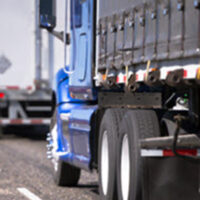
A commercial truck does not have to collide directly with another vehicle to cause a devastating accident. Freight that slides across a trailer can suddenly change a truck’s balance. Equipment can break loose and strike surrounding traffic. Lumber, construction materials, machinery, or other cargo can fall into travel lanes with almost no time for approaching drivers to react. On busy South Florida roads, a single load failure can involve several vehicles and leave people with life-changing injuries.
Determining why the cargo moved or escaped can require looking beyond the actions of the truck driver in the moments before the crash. Loading methods, securement equipment, inspections, and the companies involved in preparing the shipment can all become part of the factual record. Working with experienced West Palm Beach truck accident attorneys can help an injured person identify what went wrong before critical records and physical evidence disappear.
Shifting Cargo Can Change the Movement of an Entire Truck
A load does not need to fall onto the roadway to cause a serious commercial vehicle accident. Cargo that shifts inside a trailer can alter weight distribution while the truck is turning, braking, or changing lanes. A sudden movement of heavy freight can contribute to loss of control, rollover accidents, trailer instability, or jackknifing.
The danger can be particularly severe when a truck is carrying concentrated or unusually heavy cargo. Machinery, steel products, building materials, vehicles, and other large items create enormous forces when they move. What initially appears to be a driver-control problem can instead trace back to inadequate blocking, insufficient tiedowns, damaged securement equipment, or a loading arrangement that allowed the freight to move.
Other accidents begin when cargo leaves the commercial vehicle completely. A driver traveling behind the truck may strike the falling object, swerve into another lane, or brake suddenly and become involved in a secondary collision. Reconstructing that chain of events can establish how the unsecured load created the emergency confronting the injured driver.
Florida and Federal Rules Address Cargo Securement
Florida law directly addresses the danger created by unsecured loads. Florida Statute § 316.520 provides that a vehicle cannot be driven on a highway unless it is constructed or loaded to prevent its load from dropping, shifting, leaking, blowing, or otherwise escaping. The statute also contains specific securement requirements for materials and objects capable of falling or blowing from a vehicle.
Commercial trucks are also subject to detailed federal requirements. Under 49 C.F.R. § 393.100, commercial motor vehicles transporting cargo on public roads must be loaded and equipped with the cargo secured in accordance with the federal cargo-securement standards. Section 393.106 further requires cargo to be firmly immobilized or secured through structures, tiedowns, dunnage, shoring bars, or other appropriate methods.
Florida also brings federal commercial-vehicle safety requirements into state regulation through Florida Statute § 316.302. The statute subjects covered owners and drivers of commercial motor vehicles to specified portions of the Federal Motor Carrier Safety Regulations, including Part 393.
These requirements provide a concrete framework for examining what the truck and its cargo looked like before the collision rather than relying solely on accounts given after the accident.
Responsibility Can Extend Beyond the Person Who Loaded the Freight
Commercial shipments frequently pass through several hands before a truck reaches the highway. A shipper may prepare freight for transportation, warehouse personnel may place it inside the trailer, and another company may supply loading or securement equipment. The motor carrier then places the truck into service, while the driver assumes responsibilities associated with transporting the load safely.
Federal guidance makes an important distinction. A commercial driver is not necessarily required to personally load, block, brace, and tie down every shipment. The driver nevertheless has responsibilities concerning cargo securement and, when applicable, must understand securement procedures and make required inspections or adjustments. FMCSA guidance identifies the motor carrier and driver as responsible for ensuring that cargo aboard the vehicle is properly loaded and secured.
A negligence claim can still require examining the conduct of other companies whose work contributed to the dangerous condition. If a separate loading contractor improperly positioned freight, supplied defective restraints, or failed to perform work it had undertaken, its role deserves independent examination. The contracts and working relationships among the businesses involved can help establish who controlled each stage of the loading process.
The Condition of the Load After the Crash Can Reveal What Failed
Cargo-securement cases often turn on physical details that can change quickly after a collision. Broken straps, chains, binders, anchor points, blocking materials, trailer components, and the position of scattered freight can provide clues about how the load was originally secured and what happened when the truck encountered normal driving forces.
Photographs from the crash scene can preserve information that will be difficult to recreate once the roadway is cleared. Investigators may also examine bills of lading, loading diagrams, weight information, inspection records, driver documentation, surveillance footage from a loading facility, and communications concerning the shipment.
The federal rules themselves can help give technical evidence context. FMCSA states that the cargo-securement requirements are intended to prevent cargo from shifting within or falling from commercial motor vehicles, and the regulations establish performance requirements for the systems used to restrain freight.
That evidence can distinguish a securement failure from explanations offered later by the trucking company, such as sudden braking, another driver’s conduct, or an unexpected road condition.
Serious Injuries Can Follow Even Without Direct Contact With the Truck
Escaping cargo creates a different kind of danger from a conventional tractor-trailer collision. An object penetrating a windshield can cause catastrophic head or facial injuries. A driver who swerves around fallen freight can suffer traumatic brain injuries, spinal damage, fractures, internal injuries, or severe orthopedic trauma in the resulting collision.
A shifting load that causes a rollover or jackknife can expose occupants of nearby vehicles to the tremendous weight and force of the tractor-trailer itself. Multi-vehicle crashes can also make the physical and financial consequences harder to separate, particularly when several collisions occur within seconds of the initial load failure.
Medical care may continue long after the scene has been cleared. Surgery, rehabilitation, reduced mobility, inability to return to prior employment, chronic pain, and the loss of activities that once shaped everyday life can become part of the harm caused by an improperly secured commercial load.
Early Investigation Can Preserve the Story Behind a Cargo Failure
The freight scattered across a highway may show that something failed, but establishing why it failed requires evidence from before the truck ever reached the crash scene. Loading records, securement devices, company procedures, driver inspections, trailer information, and relationships among the businesses involved can fill in that missing history.
Prompt legal review can also help preserve evidence before cargo is recovered, equipment is repaired, or records pass through ordinary retention cycles. For someone seriously injured by shifting or falling freight, guidance from experienced West Palm Beach truck accident attorneys can help uncover how the shipment was prepared, secured, inspected, and transported.
Contact Smith, Ball, Báez & Prather
If you or someone you love was seriously injured because cargo shifted, fell from a commercial truck, or contributed to a truck losing control, the cause of the crash may extend well beyond what was visible from the roadway. Identifying how the load was secured and who was responsible for its safe transportation can be an important part of pursuing compensation for the harm the accident caused.
At Smith, Ball, Báez & Prather, we investigate serious commercial vehicle accidents throughout West Palm Beach and South Florida. Contact our experienced West Palm Beach truck accident attorneys to discuss the circumstances surrounding the crash and learn how we can help protect your right to compensation.
Sources:
- Florida Senate — Florida Statute § 316.520, Loads on Vehicles
flsenate.gov/Laws/Statutes/2025/316.520 - Florida Senate — Florida Statute § 316.302, Commercial Motor Vehicles; Safety Regulations
flsenate.gov/Laws/Statutes/2025/316.302 - Electronic Code of Federal Regulations — 49 C.F.R. Part 393, Subpart I, Protection Against Shifting and Falling Cargo
ecfr.gov/current/title-49/subtitle-B/chapter-III/subchapter-B/part-393/subpart-I - Federal Motor Carrier Safety Administration — Cargo Securement Rules
fmcsa.dot.gov/regulations/cargo-securement/cargo-securement-rules - Federal Motor Carrier Safety Administration — § 392.9 Cargo Inspection and Securement Guidance
fmcsa.dot.gov/regulations/question-4-there-requirement-driver-must-personally-load-block-brace-and-tie-down-cargo
