

Hydroplaning Car Accidents in South Florida: Why Heavy Rain Does Not Excuse Unsafe Driving
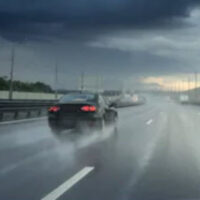
South Florida rain can change a roadway in minutes. A hard downpour can reduce visibility, cover pavement with standing water, and leave tires unable to maintain sufficient contact with the road. When a car begins to hydroplane, the driver can lose steering and braking control almost immediately.
Rain can explain how a vehicle lost traction without answering who was responsible for the crash. Drivers still have to adjust to conditions they can see developing around them. When a serious collision follows a loss of control on a wet roadway, working with an experienced West Palm Beach car wreck lawyer can help determine whether the driver had enough warning to slow down or take other reasonable precautions before the vehicle began to slide.
The Speed Limit Can Be Too Fast for a Wet Road
A driver traveling at the posted speed limit might be driving too fast for heavy rain, poor visibility, or water collecting on the pavement. Florida law requires drivers to account for the conditions around them rather than treating the posted limit as the only measure of a safe speed.
Florida Statute § 316.185 requires drivers to reduce speed when weather or roadway conditions create special hazards. During a South Florida downpour, a driver who continues at normal dry-road speed can run out of room to react when traffic slows, or deeper water appears ahead.
Hydroplaning may happen quickly, but the conditions leading to it often develop over a much longer stretch of roadway. Speed before the tires lose traction can reveal whether the driver adjusted as visibility worsened and water began collecting on the pavement.
Following Distance Determines the Amount of Room Available for Changing Conditions
Wet pavement changes more than just traction. Traffic ahead may brake suddenly when another vehicle encounters standing water, loses visibility, or becomes unstable in a lane. A driver who follows too closely can have little room to slow down without braking sharply on an already slick surface.
Florida Statute § 316.0895 requires motorists to maintain a reasonable and prudent following distance while considering vehicle speed, traffic, and highway conditions.
During heavy rain, additional space between vehicles gives a driver additional time to respond as conditions change ahead. A rear-end collision after hydroplaning may trace back to a following distance that left too little room once braking distances increased and visibility dropped.
Tire Condition Can Help Explain a Loss of Control
Two vehicles can travel through the same rainstorm and respond very differently. Tire tread, inflation, vehicle speed, and water depth all affect how well the tires maintain contact with the pavement.
Worn tread gives tires less ability to move water away from the contact surface. A vehicle with badly worn or improperly maintained tires can lose traction sooner than another car traveling through the same stretch of roadway.
Photographs taken after the collision, tire condition, maintenance records, and prior repair history can help explain why one vehicle lost control. When an insurer attributes the entire crash to rain, the condition of the vehicle can show whether reduced traction existed before the driver reached the standing water.
Heavy Rain Does Not End the Inquiry Into Driver Conduct
Insurance companies may point to rainfall, standing water, or slick pavement as the reason a hydroplaning crash could not have been avoided. Weather is part of what happened, but the driver’s actions before the vehicle began sliding remain part of the collision.
A driver who maintains highway speed as visibility drops presents a different picture from a driver who slows substantially as conditions worsen. The same is true when a motorist continues through visible standing water without reducing speed or leaves too little space behind traffic that is already slowing.
Hydroplaning describes the loss of traction. Responsibility depends on the events that led up to it, including how the driver responded to a roadway that was becoming harder to navigate safely.
Fault Can Be Shared After a Wet-Weather Collision
A hydroplaning accident can involve mistakes by more than one driver. One vehicle may lose control after entering standing water while another is traveling too close behind to avoid the resulting collision. A driver who is struck may also face allegations that his or her own actions contributed to the impact.
Florida Statute § 768.81 governs comparative fault in Florida negligence claims. Damages can be reduced according to a person’s percentage of responsibility, and a claimant found more than 50 percent at fault generally cannot recover damages in an ordinary negligence action.
Disputes over fault make the moments before the loss of control particularly significant. When the circumstances point to a preventable loss of control rather than weather alone, speaking with a West Palm Beach accident lawyer can help determine how responsibility for the collision may be divided.
Contact Smith, Ball, Báez & Prather
A serious wet-weather crash can leave an injured person facing medical treatment, time away from work, and significant vehicle damage while an insurer argues that the storm made the collision unavoidable. Heavy rain does not automatically relieve a driver of responsibility for choices made before a vehicle hydroplanes.
Smith, Ball, Báez & Prather represents people injured in car accidents in West Palm Beach and throughout South Florida. Contact our firm to speak with an experienced West Palm Beach car wreck lawyer about a hydroplaning accident and whether another driver’s failure to adjust to dangerous road conditions contributed to the crash.
Sources:
- Florida Legislature — Florida Statute § 316.185, Special Hazards
https://www.leg.state.fl.us/Statutes/index.cfm?App_mode=Display_Statute&URL=0300-0399/0316/Sections/0316.185.html - Florida Legislature — Florida Statute § 316.0895, Following Too Closely
https://www.leg.state.fl.us/Statutes/index.cfm?App_mode=Display_Statute&URL=0300-0399/0316/Sections/0316.0895.html - Florida Legislature — Florida Statute § 768.81, Comparative Fault
https://www.leg.state.fl.us/Statutes/index.cfm?App_mode=Display_Statute&URL=0700-0799/0768/Sections/0768.81.html - Florida Department of Highway Safety and Motor Vehicles — Florida Driver’s Handbook
https://www.flhsmv.gov/pdf/handbooks/englishdriverhandbook.pdf
