
Electric Vehicle Accidents in West Palm Beach: Unique Risks, Liability Issues, and Legal Considerations
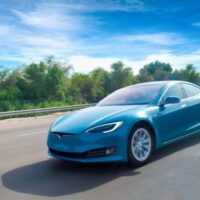
Electric vehicles are now part of everyday traffic in West Palm Beach. They move through downtown streets, neighborhood roads, shopping centers, parking garages, school zones, and major corridors such as Okeechobee Boulevard, Southern Boulevard, and I-95. When an electric vehicle is involved in a serious crash, the injury claim can raise questions that do not always appear in a traditional car accident case.
A collision involving an EV can turn on details that are easy to miss at the scene. The way the vehicle accelerated, the force created by its weight, the records stored by its software, or the condition of the battery after impact can shape the liability investigation. Working with a knowledgeable West Palm Beach auto accident attorney can help identify the people and companies whose decisions contributed to the crash before key evidence is lost.
Electric Vehicle Features That Can Change the Claim
An electric vehicle accident is still an auto accident, but the vehicle’s design can change how the crash unfolds. Quick acceleration can leave little time to react in a parking lot, intersection, or merge lane. Quiet operation can make the vehicle harder to notice at low speeds. The weight and placement of the battery system can affect the force of impact when the EV strikes a smaller vehicle, pedestrian, cyclist, or motorcyclist.
Those facts matter when they explain the crash or the injuries. A sudden acceleration dispute, a pedestrian strike near a quiet vehicle, or a high-speed collision involving a heavier EV can require more than a standard police report. The vehicle’s movement, sound, weight, software activity, and post-impact condition can all help show why the collision happened.
A strong claim should stay grounded in those details. The electric label alone does not prove fault. The important question is how the vehicle behaved before, during, and after impact, and how that behavior affected the injured person.
Driver Conduct Before the Collision
Many electric vehicle crashes begin with dangerous driving. A driver may speed, follow too closely, run a red light, fail to yield, look at a phone, or make an unsafe lane change. In West Palm Beach traffic, those choices can be especially dangerous near crosswalks, parking lots, school zones, and crowded commercial areas where pedestrians and cyclists may be close to moving vehicles.
The EV setting can make those choices more dangerous. Quick acceleration can turn a small judgment error into a serious impact. A driver distracted by screens, alerts, cameras, or navigation prompts may miss stopped traffic, a person in a crosswalk, or a cyclist approaching from the side.
Driver-assist features do not remove the driver from the crash. Lane alerts, cameras, parking sensors, adaptive cruise control, and emergency braking systems may explain part of what happened, but the person behind the wheel still has to watch the road, control the vehicle, and respond to real traffic conditions.
Quiet Operation and Pedestrian Risk
Electric vehicles can be harder to detect at low speeds because they produce less engine noise than gasoline-powered vehicles. That can matter in parking garages, shopping centers, neighborhoods, crosswalks, and school-zone areas where people often rely on both sight and sound before stepping, turning, or backing up.
Federal Motor Vehicle Safety Standard No. 141, found at 49 C.F.R. § 571.141, sets minimum sound requirements for certain hybrid and electric vehicles to help pedestrians detect and recognize them. In a pedestrian or cyclist injury claim, the vehicle’s sound, speed, surroundings, and driver conduct can all become part of the liability picture.
A quiet-vehicle crash should be measured against the setting where it occurred. A vehicle backing out of a parking space creates a different danger than an EV turning through a crosswalk or moving past parked cars near a storefront. Traffic noise, sight lines, lighting, vehicle speed, and the driver’s attention can show how much warning the injured person actually had.
Vehicle Data and Software Records
Electric vehicles can store information that helps explain the moments before a crash. Depending on the vehicle and system involved, records may show speed, braking, steering, acceleration, seat belt use, impact forces, battery status, warnings, and driver-assist activity.
Those records can matter when the people involved give different accounts. One driver may describe sudden acceleration. Another may say the EV stopped abruptly, failed to warn, or reacted unexpectedly to traffic. Data from the vehicle, available video, repair records, and software-related materials can test those explanations against what the vehicle recorded.
The records should be preserved before the vehicle is repaired, totaled, sold, updated, or altered. Software updates and post-crash inspections can change what remains available. Without early preservation, an injured person may be left with photographs, memories, and insurance summaries instead of the data that could explain the collision.
Product Defects and Manufacturer Responsibility
Some electric vehicle claims involve the vehicle itself. Unexpected acceleration, braking failure, sensor problems, battery fire, door malfunction, crashworthiness concerns, or driver-assist performance can point beyond ordinary driver negligence. When those issues appear, the manufacturer, seller, or component supplier may need to be examined.
Florida Statutes § 768.1256 addresses product liability actions involving manufacturers or sellers when government safety rules or standards are part of the dispute. In an EV crash, compliance or noncompliance with applicable standards can shape arguments over whether the vehicle was reasonably safe.
Product-related claims require preservation of the vehicle and its components. Engineering records, recall information, service bulletins, software histories, diagnostic records, and manufacturer communications may help show whether a defect contributed to the crash or made the injuries worse.
Charging, Repair, and Maintenance Records
An electric vehicle’s condition before the crash can affect liability. Recent repairs, charging problems, battery service, tire condition, software updates, warning lights, or repeated diagnostic alerts may show that the vehicle was unsafe before it entered traffic.
Those records can identify parties beyond the driver. A service center, repair shop, fleet operator, rideshare company, dealership, charger operator, or vehicle owner may have information about prior problems. In commercial or fleet EV crashes, inspection records and maintenance schedules can show if known issues were ignored before the vehicle was used.
Maintenance failures involve a different set of facts than product defects. The focus is on what people did after warnings appeared, repairs were attempted, or problems were reported. Missed inspections, incomplete repairs, ignored alerts, or unsafe charging equipment can change the liability picture when the driver was not the only person responsible for putting the vehicle on the road.
Proving Injuries and Damages After an EV Crash
Electric vehicle crashes can cause brain injuries, spinal injuries, fractures, internal injuries, burns, nerve damage, scarring, and soft-tissue injuries. The severity can increase when a heavier EV strikes a smaller vehicle, pedestrian, cyclist, or motorcyclist.
The damages claim should connect the injury to the specific mechanics of the crash. A heavy side impact creates a different medical picture than a battery fire, a pedestrian strike, a rollover, or a difficult post-crash rescue. Emergency records, imaging, specialist evaluations, therapy notes, work restrictions, and future care opinions can show how the crash changed the injured person’s health and daily life.
Insurers may try to treat an EV crash like any other car accident. Guidance from an experienced West Palm Beach auto accident attorney can help show how the vehicle’s weight, acceleration, battery system, software, or post-crash hazard affected the injury and the value of the claim.
Contact Smith, Ball, Báez & Prather
If you were injured in an electric vehicle accident, the claim may involve more than a simple dispute over who had the green light or who changed lanes first. Vehicle data, battery damage, quiet operation, driver-assist systems, product issues, maintenance records, and medical proof can all affect how the case should be investigated.
Smith, Ball, Báez & Prather represents injured people in serious auto accident claims throughout West Palm Beach and South Florida. Contact Smith, Ball, Báez & Prather today to speak with a West Palm Beach auto accident attorney and learn how we can help investigate liability, preserve key evidence, and pursue compensation after an electric vehicle crash.
Sources:
- 49 C.F.R. § 571.141 — Standard No. 141; Minimum Sound Requirements for Hybrid and Electric Vehicles
ecfr.gov/current/title-49/subtitle-B/chapter-V/part-571/subpart-B/section-571.141 - Florida Statutes § 768.1256 — Government rules defense in product liability actions
leg.state.fl.us/Statutes/index.cfm?App_mode=Display_Statute&URL=0700-0799%2F0768%2FSections%2F0768.1256.html - National Highway Traffic Safety Administration — Electric and Hybrid Vehicles: Battery, Charging & Safety
nhtsa.gov/vehicle-safety/electric-and-hybrid-vehicles
