

Comparative Fault in Distracted Driving Cases: When Both Drivers Share Responsibility
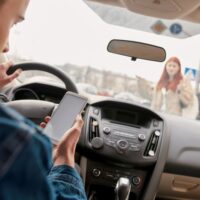
A distracted driving crash is not always a simple story of one careless driver and one blameless victim. One driver may have been texting before impact. The other may have been speeding, changing lanes without looking, following too closely, or reacting late because their own attention was divided. When both drivers are accused of contributing to the crash, the injury claim can quickly become a fight over percentages.
In Florida, those percentages can affect whether compensation is recovered and how much is ultimately paid. After a serious crash involving phone use, inattention, or disputed driver conduct, working with a knowledgeable West Palm Beach distracted driving accident lawyer can help keep the focus on the facts that show how each driver’s choices contributed to the collision.
Shared Responsibility Can Become the Insurer’s Main Defense
Distracted driving crashes often begin with anger at the driver who was looking at a phone. That reaction is understandable. A crash caused by texting, scrolling, entering directions, or reading a message can feel straightforward from the start.
The insurance company may still look for a second story. The defense may point to speed, lane position, sudden braking, a missed signal, or a delayed reaction. Those arguments can become especially pervasive after crashes on I-95, Okeechobee Boulevard, Southern Boulevard, or another busy West Palm Beach corridor where traffic moves quickly and small mistakes become serious.
Shared responsibility does not erase distraction. It gives the insurer a way to reduce the claim. The dispute becomes whether the other driver’s phone use caused the crash or whether the defense has found a convenient way to spread blame.
Florida’s Comparative Fault Rule
Florida Statutes § 768.81 controls comparative fault in negligence claims. Fault can be assigned among the people whose conduct contributed to the injury, and damages can be reduced by the percentage of fault placed on the person seeking compensation. A person found more than 50 percent at fault for their own harm cannot recover damages.
That rule gives insurers a financial reason to argue over every percentage point. A distracted driver’s insurer may admit some responsibility while still claiming the other driver caused part of the crash. A small shift in fault can change settlement value, trial risk, and the pressure placed on the claim.
Comparative fault should be tied to the collision itself. Speed, distance, lane position, braking, traffic flow, sight lines, and device activity can show whether a fault argument has support or simply gives the defense something to use in negotiations.
Florida’s Texting While Driving Law
Florida Statutes § 316.305 prohibits a driver from manually typing, entering, sending, or reading certain nonvoice communications on a wireless communications device while operating a motor vehicle. In a distracted driving crash, that statute helps frame why phone use behind the wheel matters.
A citation is not the only way to prove distraction. A driver may deny texting. Police may not search the phone at the scene. The crash report may describe careless driving without identifying the device activity that occurred before impact.
The claim can still focus on what the driver was doing before the crash. Text timestamps, app activity, call logs, navigation entries, vehicle data, witness statements, dashcam footage, and the driver’s own words can show whether attention was on the road or on a device.
Reconstructing the Final Moments Before Impact
Shared-fault disputes often turn on the last few seconds before the collision. A distracted driver may have looked down briefly, but that lapse can explain a missed red light, a late brake, a lane drift, or a failure to see stopped traffic.
Physical evidence helps build that timeline. Vehicle damage, skid marks, debris location, traffic camera footage, surveillance video, dashcam footage, event data recorder information, and witness accounts can show where each vehicle was and how each driver responded.
The facts need to show movement, not just labels. “Distracted,” “speeding,” and “careless” are conclusions. The stronger claim explains how the vehicles moved, when the danger appeared, and which conduct actually caused the impact.
Phone Records and Privacy Disputes
Phone evidence can become one of the most important parts of a distracted driving claim. Timestamps, call logs, text activity, app notifications, navigation entries, and data usage can show whether a driver was interacting with a device near the time of the crash.
Getting those records is not always simple. A driver may refuse to provide the phone. An insurer may argue that the request is too broad. Some records may require subpoenas, court involvement, or limits focused on the period surrounding the collision. Focused requests can uncover phone use near the crash without turning the claim into a fight over unrelated personal information.
When Both Drivers Were Distracted
Some crashes involve distraction on both sides. One driver may have been texting while another was looking at navigation, adjusting music, speaking to a passenger, eating, or reaching for something inside the vehicle. The presence of distraction on both sides does not automatically make the drivers equally responsible.
Timing matters. Glancing at a map a minute before impact is different from reading a message while entering an intersection. Adjusting the radio while stopped in traffic is different from typing while changing lanes.
The facts should show which conduct changed the movement of the vehicles and which conduct merely gives the insurer another blame-shifting argument. Guidance from an experienced West Palm Beach distracted driving accident lawyer can help separate meaningful distraction from background noise.
Damages When Fault Is Disputed
A comparative fault dispute can pull attention away from the injuries. While the insurance company argues percentages, the medical consequences may include fractures, neck injuries, back injuries, head trauma, shoulder injuries, nerve symptoms, or long-term pain.
Medical records give the damages claim its own foundation. Emergency care, imaging, specialist visits, therapy, injections, surgery recommendations, work restrictions, and future care opinions can show what the crash did to the injured victim’s body and daily life.
Reducing an unfair fault percentage protects more of the recovery, but the losses still need to be proven. A distracted driving claim should show both why the other driver bears responsibility and how the collision affected health, work, mobility, and routine.
Contact Smith, Ball, Báez & Prather
If you were injured in a distracted driving crash and the insurance company is trying to blame you for part of what happened, the fault dispute needs to be addressed early. Phone records, vehicle data, witness statements, video, roadway conditions, and medical proof can all affect how responsibility is assigned.
At Smith, Ball, Báez & Prather, we represent injured people in serious distracted driving accident claims throughout West Palm Beach and South Florida. Contact Smith, Ball, Báez & Prather today to speak with a West Palm Beach distracted driving accident lawyer and learn how we can help prove fault, answer blame-shifting arguments, and pursue compensation after a distracted driving crash.
Sources:
- Florida Statutes § 768.81 — Comparative fault
leg.state.fl.us/statutes/index.cfm?App_mode=Display_Statute&URL=0700-0799%2F0768%2FSections%2F0768.81.html - Florida Statutes § 316.305 — Wireless communications devices; prohibition
leg.state.fl.us/Statutes/index.cfm?App_mode=Display_Statute&URL=0300-0399%2F0316%2FSections%2F0316.305.html
