
Borrowed Vehicle Liability: Understanding the Dangerous Instrumentality Doctrine Under Florida Law
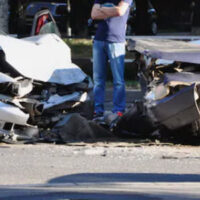
After a serious collision in West Palm Beach, one of the first questions injured victims often ask is, “Who is responsible?” The answer becomes more complicated when the at-fault driver was operating a vehicle they did not own. In Florida, these situations invoke one of the most important legal principles in auto accident cases: the dangerous instrumentality doctrine. This doctrine determines when a vehicle owner may be held responsible for someone else’s negligent driving, and understanding how it applies can significantly impact your right to compensation. Speaking with an experienced West Palm Beach car wreck lawyer can help you understand how this doctrine shapes your claim and what steps may be necessary to protect your recovery.
Florida is one of the few states where vehicle owners can be held financially responsible simply because they allowed another person to use their car. While this doctrine is intended to ensure that injured victims have access to compensation, the rules are nuanced. For families dealing with serious injuries, long-term medical needs, or uncertainty about how to move forward, knowing how borrowed vehicle liability works becomes essential to securing support during recovery.
What Is the Dangerous Instrumentality Doctrine?
Under Florida’s dangerous instrumentality doctrine, a motor vehicle is considered a potentially dangerous object capable of causing serious harm if not operated responsibly. Because of this, vehicle owners are held vicariously liable for the negligence of anyone who drives their vehicle with permission.
In simple terms, if you lend someone your car and they cause a crash, you may be legally responsible for the resulting injuries, even if you were nowhere near the scene. This applies to many everyday situations, including lending a vehicle to a family member, allowing a friend to use the car temporarily, or giving an employee access to a company vehicle. For injured victims dealing with chronic pain, mobility limitations, hospitalizations, or long-term rehabilitation, this doctrine can provide a critical pathway to obtaining the resources needed for medical treatment, lost wages, and future care.
Permission Matters: How Liability Is Established
Liability under the dangerous instrumentality doctrine depends on whether the owner gave permission, either express or implied, to the person driving the vehicle.
Express permission occurs when the owner directly gives another person the right to use the vehicle. Implied permission may arise through established habits or circumstances showing that the owner routinely allows the person to drive. A teenager who regularly uses the family car, a roommate who frequently shares a vehicle, or an employee who operates a company vehicle for work-related tasks may all be considered permissive users under Florida law.
Understanding whether permission was granted, and whether it can be reasonably inferred, is often central to determining liability. These distinctions become particularly important in cases involving serious injuries, extensive medical treatment, rehabilitation needs, or significant financial strain.
When the Doctrine Does Not Apply
Although broad, the dangerous instrumentality doctrine does not apply in every situation. Some important exceptions include:
Vehicle theft:
If the car was stolen, the owner may not be liable because no permission was given. However, if the owner negligently left the keys in the vehicle, they may still be liable.
Unauthorized use:
If someone drastically exceeds the scope of permission, using the car for something the owner never intended, liability may not apply.
Rental vehicles protected by federal law:
Rental car companies benefit from federal protections under the Graves Amendment, which limits their vicarious liability.
Temporary custody for specific purposes:
When a tow operator, valet, or repair technician negligently damages the vehicle or causes an accident, the vehicle owner is typically not responsible. These temporary custodians are not considered permissive users in the sense required by the doctrine.
Understanding these exceptions is essential in cases where multiple insurance policies may apply or where the at-fault driver does not carry adequate coverage. For victims dealing with lasting pain, neurological injuries, or reduced earning capacity, these distinctions help ensure that the right parties are held accountable.
How Florida’s Comparative Fault Law Interacts With Borrowed Vehicle Liability
Florida’s comparative fault statute, Fla. Stat. § 768.81, plays a significant role in borrowed vehicle cases. Under this law, fault may be apportioned among multiple parties based on their degree of responsibility. This means that even if a vehicle owner is vicariously liable, they are only liable for the negligence of the driver of their vehicle. The accident victim and other motorists may still share fault.
Comparative fault becomes particularly important in cases involving multi-vehicle collisions, chain-reaction crashes, or situations where the injured victim is alleged to be partially responsible. For victims dealing with long-term impairment or costly medical treatment, correctly applying comparative fault ensures that their compensation is not unfairly reduced by inaccurate assessments of responsibility.
How Insurance Coverage Works in Borrowed Vehicle Collisions
Insurance coverage in borrowed vehicle cases can be complex. Typically, the vehicle owner’s insurance policy serves as the primary coverage when someone else is driving with permission. The driver’s own insurance may provide secondary coverage if damages exceed the owner’s policy limits.
This layered coverage structure is especially important in severe injury cases, where medical bills, future rehabilitation needs, and loss of earning capacity may far exceed basic coverage. A full review of all available insurance sources helps prevent gaps in compensation for victims already facing emotional and financial strain.
Why Legal Support Is Essential in Borrowed Vehicle Liability Cases
Determining liability under the dangerous instrumentality doctrine requires a careful review of the facts, the relationships between the parties, and the specific circumstances of how the vehicle was used. Insurance companies may attempt to deny responsibility by disputing permission or minimizing the role of the vehicle owner. Without skilled representation, victims may face unfair blame or insufficient compensation.
For individuals recovering from serious injuries, navigating these issues alone can feel overwhelming. Legal support ensures that evidence is preserved, insurance coverage is thoroughly examined, and all responsible parties are held accountable.
Contact Smith, Ball, Báez & Prather
Borrowed vehicle collisions can leave families struggling to understand who is responsible for their medical bills, missed work, and long-term care needs. The dangerous instrumentality doctrine often plays a key role in determining liability, but applying it correctly requires careful legal analysis and support from an experienced West Palm Beach car wreck lawyer who understands how these cases unfold.
At Smith, Ball, Báez & Prather, we work closely with victims facing serious injuries, long-term rehabilitation, and significant financial pressure. Our team is here to help you navigate Florida’s complex liability laws and pursue the compensation you need to rebuild your life. Contact us today to discuss your case and explore your legal options.
Sources:
- Stat. § 768.81 – Comparative Fault
- Florida Department of Highway Safety and Motor Vehicles – Traffic Crash Reports & Data
- Florida Justice Reform Institute — “Dangerous Instrumentality Doctrine: Problem and Solution” (PDF)
