

Chronic Pain and “Invisible” Injuries: Building Credibility with Expert Testimony in Complex Auto Accident Claims
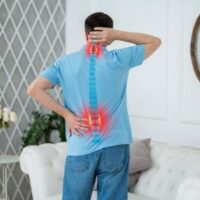
Not every car accident injury is immediately visible. While broken bones and lacerations are easy to document, many people are left dealing with chronic pain, nerve damage, or soft tissue injuries that do not appear on standard imaging. These “invisible” injuries can be just as disruptive, if not more so, than trauma that can be clearly seen.
For individuals pursuing a personal injury claim after a car accident, proving the seriousness of these conditions is often one of the most difficult parts of the process. Working with an experienced West Palm Beach car accident attorney can help ensure these injuries are properly supported with medical evidence and expert testimony.
Chronic Pain and Soft Tissue Injuries After a Crash
Chronic pain often develops after injuries that may initially seem minor. Whiplash, ligament strains, herniated discs, and nerve irritation can worsen over time, leading to long-term discomfort and reduced mobility. Some individuals go on to develop conditions such as Complex Regional Pain Syndrome (CRPS) or persistent back and neck pain that interferes with daily life.
These injuries are often described as “soft tissue injuries,” but that term can be misleading. The absence of a fracture or visible damage does not mean the injury is minor. For many accident victims, the effects are ongoing and can change how they move, work, and function day to day.
Why These Claims Are Often Challenged
Claims involving chronic pain are frequently met with skepticism. Without clear imaging results, insurance adjusters may argue that symptoms are exaggerated or unrelated to the accident.
It is also common for insurers to focus on pre-existing conditions. A prior history of back pain or joint discomfort may be used to suggest that the current symptoms are unrelated. Florida law allows recovery when an accident aggravates a pre-existing condition, but that distinction must be supported by consistent medical evidence.
That consistency matters. When treatment records, physician observations, and reported symptoms align over time, it becomes much more difficult to question the legitimacy of the injury.
How Expert Testimony Establishes Credibility
In cases involving invisible injuries, expert testimony often carries significant weight. Florida follows the Daubert standard under Florida Statute § 90.702, which requires that expert opinions be based on reliable methods and accepted medical principles.
Medical specialists play an important role in explaining how chronic pain develops and why it persists. Rather than relying only on imaging, they evaluate functional limitations, clinical findings, and patterns of pain. Their testimony helps translate what a patient is experiencing into evidence that can be clearly understood.
Vocational experts and economists may also help explain how the injury affects a person’s ability to work and maintain financial stability. Together, this testimony provides a more complete picture of how an invisible injury affects everyday life.
Meeting Florida’s Serious Injury Threshold
To recover damages for pain and suffering following an auto accident, Florida law requires proof of a qualifying injury under Florida Statute § 627.737. This includes permanent injury, significant loss of bodily function, or other serious harm.
Chronic pain conditions can meet this threshold when supported by medical testimony showing lasting effects or meaningful limitations. Without that support, insurers may attempt to limit compensation to basic economic losses.
The Long-Term Impact of Invisible Injuries
Chronic pain often affects more than just physical health. It can interfere with sleep, limit mobility, and make it difficult to concentrate. Over time, many people also experience emotional strain and a reduced ability to return to their normal routines.
These effects are not always visible, but they are central to a personal injury claim. A fair outcome should reflect not only medical expenses, but also the broader impact on quality of life, earning capacity, and daily function.
Presenting a Clear and Persuasive Case
Building a strong case for invisible injuries requires more than simply reporting symptoms. The evidence must connect the condition to the accident and show how it continues to affect daily life.
Our firm approaches these cases with careful coordination between legal strategy and medical evidence, working closely with treating physicians and specialists. When the story is consistent and supported, it becomes much easier to demonstrate the true impact of an injury that cannot always be seen.
Contact Smith, Ball, Báez & Prather
Living with chronic pain after a car accident can be frustrating, especially when your injuries are not immediately visible. Dealing with insurance companies at the same time can add another layer of stress. Our legal team provides steady guidance so you can focus on recovery while your claim is handled with care.
Contact Smith, Ball, Báez & Prather today for a free consultation and speak with a West Palm Beach car accident attorney who can help you move forward with confidence.
Sources:
- Florida Statutes § 627.737 – Threshold for Noneconomic Damages:
leg.state.fl.us/statutes/index.cfm?App_mode=Display_Statute&URL=0600-0699/0627/Sections/0627.737.html - Florida Statutes § 90.702 – Testimony by Expert Witnesses (Daubert Standard):
leg.state.fl.us/statutes/index.cfm?App_mode=Display_Statute&URL=0000-0099/0090/Sections/0090.702.html - National Institute of Neurological Disorders and Stroke – Complex Regional Pain Syndrome:
ninds.nih.gov/health-information/disorders/complex-regional-pain-syndrome
