

Evaluating Claims Involving Defective Motorcycle Equipment: Establishing Product Liability in Florida
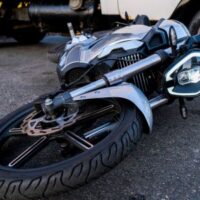
Motorcyclists rely heavily on protective equipment to reduce the severity of injuries in a crash. Helmets, gloves, boots, armored jackets, braking components, and lighting systems are all designed to function as critical safety measures. When this equipment fails due to a defect, the consequences can be catastrophic. In Florida, claims involving defective motorcycle equipment raise complex product liability issues that go far beyond ordinary negligence.
For injured riders, understanding how product liability law applies and how defective equipment is evaluated can be the key to securing full and fair compensation. Speaking with an experienced West Palm Beach product liability attorney early in the process can help preserve evidence and determine whether a defective product played a role in the injuries suffered.
Why Defective Motorcycle Equipment Claims Are Different
Unlike typical motorcycle accident cases, claims involving defective equipment do not focus solely on the actions of drivers on the road. Instead, they examine whether a product was unreasonably dangerous due to a design defect, manufacturing defect, or failure to provide adequate warnings or instructions.
Motorcycle equipment is expected to perform under foreseeable conditions, including high speeds and impact forces. When a helmet cracks prematurely, a braking system malfunctions, or protective gear fails to provide advertised protection, manufacturers and distributors may be held accountable under Florida product liability law.
Common Types of Defective Motorcycle Equipment
Defects can arise in many forms. Helmets may be defectively designed or improperly manufactured, reducing their ability to absorb impact. Braking systems or tires may fail due to flawed components or inadequate quality control. Protective clothing and armor may not meet safety standards or may degrade rapidly under normal use.
In some cases, the defect is not obvious until after a crash occurs. This makes careful inspection and preservation of the equipment essential to evaluating a potential claim.
Establishing Product Liability in Florida
Florida recognizes strict liability in product defect cases, meaning manufacturers and sellers are liable for defective products regardless of negligence, provided the plaintiff proves the product was unreasonably dangerous due to a design or manufacturing defect, the defect existed when it left the defendant’s control, and it caused injury during foreseeable use. Claims may be based on defective design, defective manufacturing, or failure to warn. Each theory requires a detailed analysis of how the product was intended to function and how it actually performed under real-world conditions.
The Role of Safety Standards and Regulations
Safety standards play a critical role in motorcycle product liability cases. Federal and industry regulations establish minimum performance requirements for many types of equipment, particularly helmets.
Under Florida Statute § 768.1256, compliance with, or violation of, government safety standards can significantly affect a product liability claim. Evidence that a product failed to meet applicable safety regulations may support an argument that it was defective. Conversely, manufacturers may attempt to rely on compliance with standards as a defense, making expert analysis essential.
Proving Causation and Damages
One of the most contested issues in defective equipment cases is causation. Manufacturers often argue that injuries were caused solely by the crash itself, not by the product’s failure. Demonstrating that a defect worsened injuries requires technical evidence and expert testimony.
Engineers, biomechanical experts, and accident reconstruction specialists may analyze how the equipment failed and how proper performance would have reduced injury severity. Medical experts then link those findings to the injuries sustained.
Preserving Evidence After a Motorcycle Crash
Evidence preservation is especially important in defective equipment cases. Helmets, protective gear, and motorcycle components should be secured immediately and kept in their post-accident condition. Repairs, cleaning, or disposal can permanently undermine a claim.
Early legal involvement helps ensure that defective products are documented, inspected, and preserved before manufacturers or insurers have an opportunity to challenge their condition.
Damages Available in Defective Equipment Claims
Victims injured by defective motorcycle equipment may seek compensation for medical expenses, lost income, diminished earning capacity, pain and suffering, and future medical care. When defects cause severe or permanent injuries, these damages can be substantial.
In some cases, evidence of egregious conduct or disregard for safety may support additional claims beyond basic compensatory damages.
Why These Claims Require a Strategic Legal Approach
Product liability cases involving motorcycles often pit injured individuals against large manufacturers and insurers with significant resources. These defendants aggressively contest liability and rely on technical defenses.
An attorney experienced in Florida product liability law understands how to build a case that addresses design standards, testing data, and expert analysis while keeping the focus on how the defect affected the rider’s safety.
Contact Smith, Ball, Báez & Prather
If you were injured in a motorcycle crash and suspect that defective equipment played a role, your claim may involve complex product liability issues. The attorneys at Smith, Ball, Báez & Prather have experience evaluating defective product claims and holding manufacturers accountable under Florida law.
Contact Smith, Ball, Báez & Prather today to discuss your case and protect your right to compensation.
Source:
Florida Statutes § 768.1256 (Government rules defense in product liability actions)
